
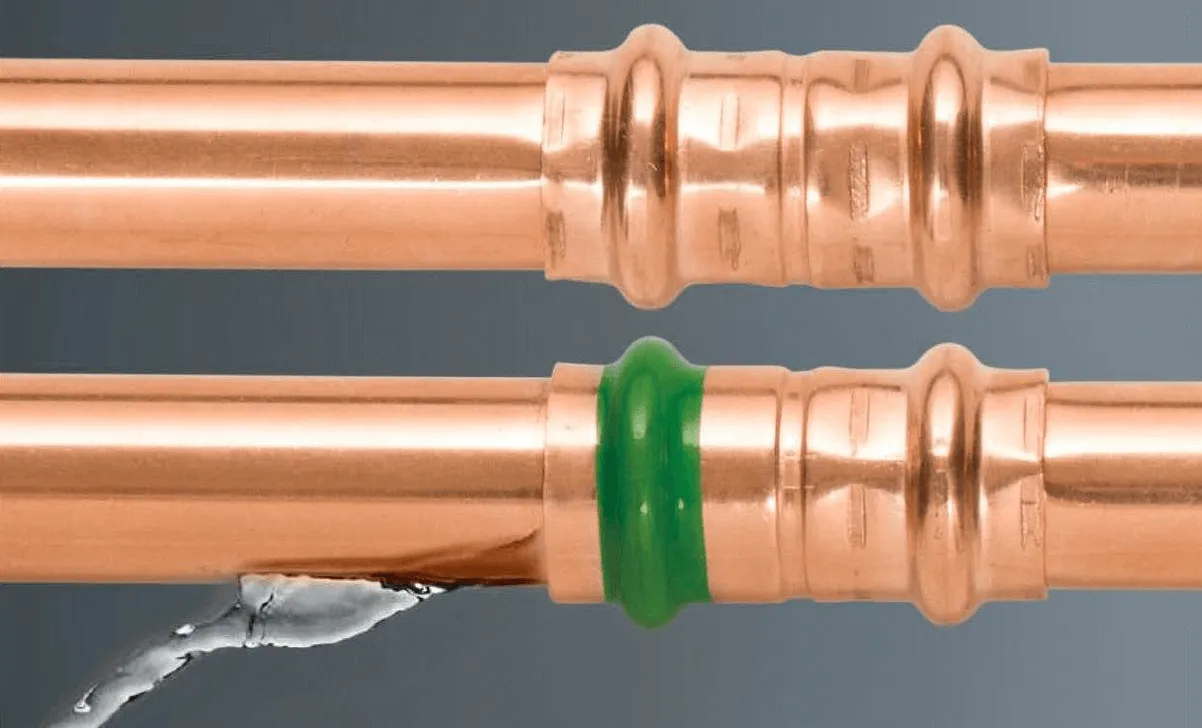
Copper ProPress fittings have revolutionized plumbing and HVAC installations with their flame-free, efficient, and reliable connections. As these modern solutions become increasingly prevalent, a critical question often arises for homeowners, contractors, and building managers: “How long do copper ProPress fittings truly last?” Understanding the expected lifespan and the factors that influence it is crucial for ensuring the long-term integrity and performance of any piping system. This article will explore the durability of ProPress fittings, drawing on industry insights and technical considerations to provide a comprehensive answer.
I. Understanding the Expected Lifespan of ProPress Fittings
Manufacturers of ProPress systems, such as Viega, typically provide extensive warranties and design life expectations for their products. Many reputable brands state that their copper press fittings, particularly the sealing elements (O-rings), are designed to last for 50 years or more under normal operating conditions. This projected lifespan is often comparable to, or even exceeds, that of the copper piping itself.
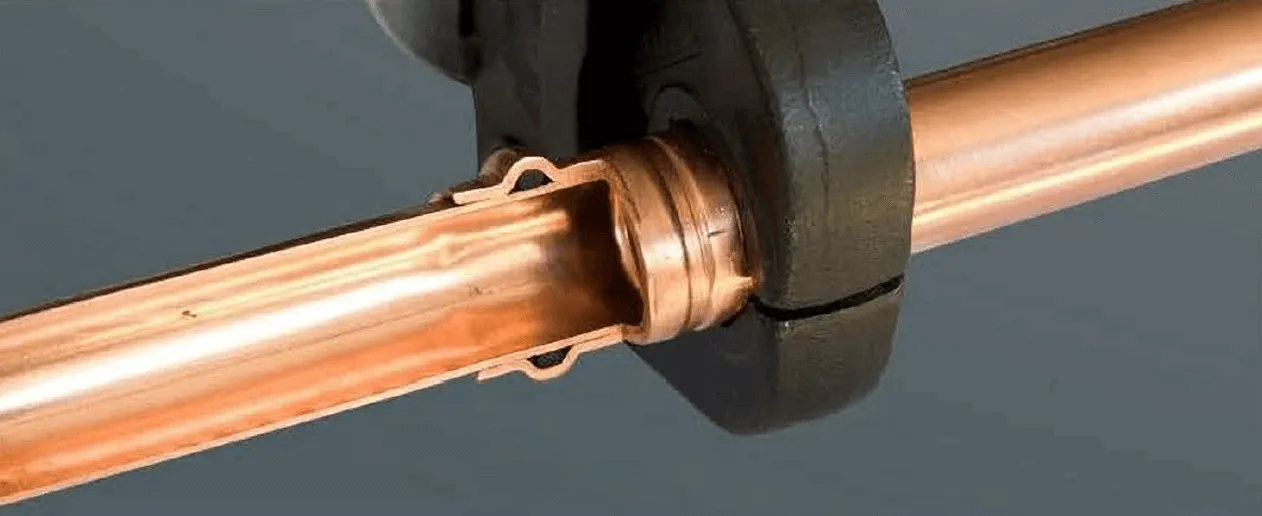
It’s important to note that this 50-year figure is a design life based on rigorous testing and accelerated aging processes. In real-world applications, the actual longevity can vary based on a multitude of factors. The core concept behind ProPress reliability lies in the robust mechanical connection and the high-quality, durable materials used for both the copper fitting and the integrated O-ring.
II. Factors Influencing the Lifespan of ProPress Fittings
While ProPress fittings are engineered for longevity, several factors can influence their actual lifespan in a given installation. Understanding these elements is key to maximizing the durability of your press-fit system.
A. Material Quality and Manufacturing Standards
The quality of the copper used for the fitting and, crucially, the material and manufacturing process of the O-ring are paramount. Reputable manufacturers use high-grade copper and specially formulated EPDM (ethylene propylene diene monomer) or HNBR (hydrogenated nitrile butadiene rubber) O-rings designed to withstand a wide range of temperatures, pressures, and chemical exposures. Inferior materials or poor manufacturing can significantly reduce the lifespan.
B. Installation Quality
Proper installation is perhaps the most critical factor. Even the highest quality fitting will fail prematurely if not installed correctly. Key aspects of proper installation include:
- Clean and Deburred Pipes:Pipes must be cut squarely and deburred properly to prevent damage to the O-ring during insertion.
- Correct Insertion Depth:The pipe must be fully inserted into the fitting to ensure the O-ring is correctly seated.
- Proper Tool Calibration and Maintenance:The pressing tool must be correctly calibrated, and its jaws must be in good condition. Worn or uncalibrated tools can result in an inadequate press, leading to leaks and premature failure.
- Avoiding Over-Pressing or Under-Pressing:The tool is designed to apply the precise amount of force. Deviating from this can compromise the seal.
- No Contaminants:Ensuring the pipe and fitting are free from dirt, debris, or lubricants before pressing is essential.
C. Water Quality and System Chemistry
- Corrosion:Aggressive water chemistry (e.g., highly acidic or alkaline water) can accelerate corrosion of the copper fitting over time, though copper is generally highly corrosion-resistant.
- Chlorine and Chloramines:High concentrations of chlorine or chloramines in potable water can, over very long periods, potentially degrade certain types of O-ring materials. However, modern EPDM O-rings are formulated to resist these chemicals.
- Sediment and Abrasives:Excessive sediment or abrasive particles in the water can cause wear on the O-ring or the internal surfaces of the fitting.
D. Operating Conditions
- Temperature Fluctuations:While O-rings are designed for a wide temperature range, extreme and frequent temperature cycling can put stress on the material over many years.
- Pressure Variations:Constant or extreme pressure fluctuations can also contribute to wear and tear on the sealing elements.
- System Design:Proper system design, including adequate pipe support and expansion loops, helps to minimize stress on the fittings from thermal expansion and contraction.
E. External Environment
- UV Exposure:Fittings exposed to direct sunlight (UV radiation) can experience accelerated degradation of the O-ring material. Installations should ideally be protected from prolonged UV exposure.
- Chemical Exposure:Exposure to harsh chemicals from external sources (e.g., cleaning agents, industrial chemicals) can damage the O-ring or the copper itself.
- Physical Damage:Impact, excessive bending, or other physical damage to the installed fittings can compromise their integrity.
III. Maximizing the Lifespan of Your ProPress System
To ensure your copper ProPress fittings perform optimally and last for their intended design life, consider the following best practices:
- Adhere to Manufacturer Guidelines:Always follow the specific installation instructions provided by the fitting manufacturer. This includes proper pipe preparation, insertion depth, and tool usage.
- Use the Right Tools:Invest in or rent a high-quality, well-maintained pressing tool and ensure the jaws are compatible with the fitting size and in good condition. Regular calibration of the tool is essential.
- Proper Pipe Preparation:Ensure pipes are cut cleanly, deburred thoroughly, and free of any sharp edges or debris that could damage the O-ring during insertion.
- System Design Considerations:Design the plumbing system to minimize excessive stress on fittings from thermal expansion/contraction or water hammer. Proper pipe support is crucial.
- Water Quality Management:If water quality is known to be aggressive, consider water treatment solutions to mitigate potential corrosion or O-ring degradation over the very long term.
- Protect from External Factors:Shield exposed fittings from direct UV radiation and harsh chemicals. Ensure proper insulation in extreme temperature environments.
- Regular Inspections:While ProPress connections are designed to be maintenance-free, periodic visual inspections of exposed fittings can help identify any potential issues early on.
IV. Conclusion: A Durable and Reliable Choice
Copper ProPress fittings are designed for exceptional longevity, with manufacturers confidently projecting a lifespan of 50 years or more under typical conditions. This makes them a highly durable and reliable choice for modern plumbing and HVAC systems, often matching or exceeding the lifespan of the copper piping itself.
Their longevity is a testament to advanced engineering, high-quality materials, and the precision of the press-fit technology. While factors such as installation quality, water chemistry, and operating conditions can influence their actual performance over time, adhering to best practices can significantly maximize their lifespan.
For those seeking a safe, efficient, and long-lasting alternative to traditional joining methods, copper ProPress fittings stand as a testament to innovation in the plumbing industry, offering peace of mind for decades to come.