

Shower grab bars are critical safety features in any bathroom, providing essential support and preventing falls in a wet and potentially slippery environment. While their primary function is safety, the material from which they are constructed plays a significant role in their durability, corrosion resistance, aesthetic appeal, and ultimately, their long-term effectiveness.
The constant exposure to water, humidity, and cleaning agents in a shower necessitates a material that can withstand these harsh conditions without compromising strength or appearance.
This article will delve into the most common materials used for shower grab bars, examining the pros and cons of each to help you make an informed decision. We will explore stainless steel, brass, aluminum, and plastic, considering factors such as strength, corrosion resistance, maintenance, and visual integration into your bathroom design.
I. Key Considerations for Shower Grab Bar Materials
Before evaluating specific materials, it’s important to understand the unique challenges and requirements of a shower environment that influence material choice:
- Corrosion Resistance:Constant exposure to water and humidity makes rust and corrosion a primary concern. A material that corrodes will weaken over time and become unsafe.
- Strength and Durability:The grab bar must be strong enough to support significant weight and withstand dynamic forces (e.g., someone pulling themselves up or catching a fall). It needs to maintain its structural integrity over many years of use.
- Maintenance and Cleanliness:Shower environments are prone to soap scum, mildew, and hard water stains. The material should be easy to clean and resistant to common bathroom cleaners.
- Aesthetics:While safety is paramount, the grab bar should ideally complement the bathroom’s design and fixtures.
- Grip:Some materials or finishes offer better grip, especially when wet.
- Cost:Budget is always a factor, but it should not compromise safety.
With these considerations in mind, let’s examine the leading contenders for the best shower grab bar material.
II. Stainless Steel: The Gold Standard for Shower Grab Bars
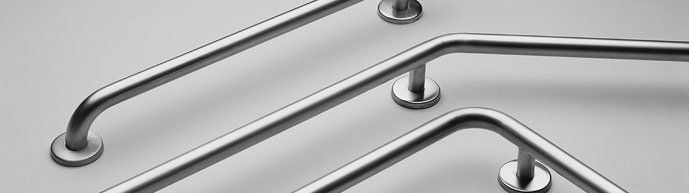
Stainless steel is widely regarded as the best material for shower grab bars, and for good reason. Its properties make it exceptionally well-suited to the demanding conditions of a wet bathroom environment.
A. Advantages of Stainless Steel Grab Bars
- Superior Corrosion Resistance:High-quality stainless steel, particularly Type 304 or 316, contains chromium and nickel, which form a passive layer on the surface that resists rust and corrosion, even in constantly wet conditions. This is crucial for maintaining the bar’s integrity and appearance over time.
- Exceptional Strength and Durability:Stainless steel is incredibly strong, capable of supporting significant weight. When properly installed into wall studs or blocking, stainless steel grab bars easily meet and often exceed the ADA (Americans with Disabilities Act) requirement of supporting 250 pounds of force without permanent deformation. This inherent strength provides reliable support for users.
- Low Maintenance and Easy to Clean:The non-porous surface of stainless steel makes it resistant to bacteria, mold, and mildew growth. It’s easy to wipe clean with common bathroom cleaners, maintaining hygiene and appearance with minimal effort.
- Versatile Aesthetics:Stainless steel offers a clean, modern, and timeless look that complements almost any bathroom decor. It’s available in various finishes:
- Polished Chrome:A bright, reflective finish that matches many bathroom fixtures.
- Brushed (Satin) Finish:A matte, less reflective finish that is excellent at hiding fingerprints and water spots, and can offer a slightly better grip when wet.
- Peened Finish:Features a textured, dimpled surface that provides superior slip resistance, especially when hands are wet or soapy. This is often preferred for maximum safety.
- ADA Compliance:Stainless steel is the material of choice for ADA-compliant grab bars due to its proven strength and durability.
B. Considerations for Stainless Steel Grab Bars
- Cost:Stainless steel grab bars can be more expensive than those made from other materials, but the investment is justified by their longevity and superior performance.
- Installation:While the material itself is strong, proper installation into structural blocking or wall studs is paramount to achieve its full weight-bearing capacity. Without secure mounting, even the best stainless steel bar will fail.
For most shower applications, especially where safety and long-term reliability are the top priorities, stainless steel is the undisputed leader. Its combination of strength, corrosion resistance, and ease of maintenance makes it the most practical and effective choice.
III. Brass: Aesthetic Appeal with Solid Performance
Brass is another excellent material choice for shower grab bars, particularly favored for its aesthetic versatility and good performance characteristics. It has been a traditional material in plumbing fixtures for centuries due to its durability and resistance to corrosion.
A. Advantages of Brass Grab Bars
- Corrosion Resistance:Brass is an alloy of copper and zinc, and it exhibits good natural resistance to corrosion, especially in wet environments. When properly finished (e.g., chrome-plated), its resistance is further enhanced.
- Durability and Strength:Like stainless steel, brass is a strong metal capable of supporting significant weight when properly installed. It can easily meet ADA weight requirements.
- Luxurious Aesthetics:Brass grab bars are often chosen for their ability to complement high-end or traditional bathroom designs. They are available in a wide range of finishes:
- Polished Brass:A classic, shiny gold-like finish that can add a touch of elegance.
- Chrome-Plated Brass:Combines the durability of brass with the popular, reflective look of chrome, matching many modern fixtures.
- Brushed Nickel/Satin Brass:Offers a more subdued, contemporary look.
- Oil-Rubbed Bronze:Provides a rich, dark, antique appearance.
- Warm to the Touch:Compared to stainless steel, brass can feel slightly warmer to the touch, which some users might prefer.
B. Considerations for Brass Grab Bars
- Cost:Brass grab bars, especially those with specialized finishes, can be more expensive than stainless steel options.
- Finish Durability:While the brass itself is durable, the longevity of the finish can vary. High-quality plating is essential to prevent tarnishing or flaking over time, especially in a humid shower environment.
- Lead Content (Historical Concern):Older brass products might contain lead. For modern grab bars, especially those in contact with water (though grab bars are typically not in the water path), ensure they are certified lead-free if this is a concern.
Brass grab bars offer a compelling combination of strength and style, making them a suitable choice for those who prioritize design integration alongside safety. When selecting brass, focusing on high-quality finishes and reputable manufacturers is key to ensuring long-term satisfaction.
IV. Aluminum: Lightweight and Cost-Effective
Aluminum is another material used for grab bars, offering a lighter weight and often a more budget-friendly option compared to stainless steel or brass.
A. Advantages of Aluminum Grab Bars
- Corrosion Resistance:Aluminum naturally forms a protective oxide layer that makes it highly resistant to rust and corrosion, even in wet environments.
- Lightweight:Its low density makes aluminum grab bars easy to handle and install.
- Cost-Effective:Generally less expensive to manufacture than stainless steel or brass, making them a more affordable option.
- Versatile Finishes:Aluminum can be anodized or powder-coated in a wide range of colors, offering design flexibility.
B. Considerations for Aluminum Grab Bars
- Strength:While strong enough for many applications, aluminum may not offer the same ultimate tensile strength or rigidity as stainless steel or brass, especially for bariatric applications or where extreme forces might be applied. Ensure the specific product meets ADA weight requirements.
- Durability of Finish:Powder coatings can chip or scratch over time, potentially exposing the underlying metal. Anodized finishes are generally more durable.
- Aesthetics:Some perceive aluminum grab bars as less premium or institutional compared to stainless steel or brass, depending on the finish.
Aluminum grab bars are a viable option for those seeking a balance between corrosion resistance, light weight, and affordability, provided they meet the necessary strength requirements for the intended use.
V. Plastic and Nylon: Warmth and Specific Applications
Plastic and nylon grab bars are also available, often used for their warm-to-the-touch feel and non-metallic properties. They are typically reinforced with internal metal cores to provide the necessary strength.
A. Advantages of Plastic/Nylon Grab Bars
- Warm to the Touch:Unlike metal, plastic and nylon do not feel cold, which can be a comfort factor in a shower environment.
- Non-Corrosive:Plastic and nylon are inherently resistant to rust and corrosion.
- Color Options:Available in a wide array of colors, allowing for greater design integration or visibility (e.g., high-contrast colors for visually impaired users).
- Insulating Properties:Can be beneficial in certain electrical safety contexts, though this is less of a concern for standard shower grab bars.
B. Considerations for Plastic/Nylon Grab Bars
- Strength (without reinforcement):Pure plastic grab bars are generally not strong enough for weight-bearing applications. They must have a robust internal metal core (e.g., steel or aluminum) to meet safety standards.
- Bulkier Appearance:To achieve the necessary strength, plastic-coated grab bars can sometimes appear bulkier than their all-metal counterparts.
- Durability of Coating:The plastic or nylon coating can be susceptible to scratches, cuts, or discoloration over time, especially with harsh cleaning agents.
- Perceived Quality:Some users may perceive plastic grab bars as less durable or less premium than metal options.
Plastic and nylon grab bars can be a good choice for specific needs, particularly where a warmer feel or specific color is desired, provided they are reinforced and certified to meet the required weight capacities.
VI. Conclusion: Choosing the Best Material for Your Shower Grab Bar
When selecting the best material for a shower grab bar, stainless steel consistently emerges as the top recommendation for most applications. Its unparalleled combination of strength, superior corrosion resistance, ease of maintenance, and versatile aesthetics makes it the most reliable and practical choice for ensuring long-term safety in a wet environment.
While brass offers a luxurious aesthetic and good performance, and aluminum provides a lightweight, cost-effective alternative, both require careful consideration of their finishes and specific strength ratings. Plastic and nylon grab bars, when properly reinforced, can offer a warmer feel and color options, but their primary strength still relies on an internal metal core.
Ultimately, the “best” material depends on a balance of factors: your budget, aesthetic preferences, and, most importantly, the required level of safety and durability. Regardless of the material chosen, the most critical factor for any grab bar is proper installation into structural blocking or wall studs. A high-quality grab bar made from the best material will only be as strong as its weakest link—its mounting.
By prioritizing ADA-compliant materials and ensuring professional, secure installation, you can confidently select a shower grab bar that provides reliable support, enhances safety, and seamlessly integrates into your bathroom design for years to come.
