
Grab rails, also commonly known as grab bars, are indispensable safety devices designed to provide stability, support, and assistance in maintaining balance, particularly in areas where the risk of falls is elevated. From bathrooms and showers to stairways and entryways, these fixtures play a crucial role in enhancing safety and promoting independence for individuals of all ages and mobility levels.
However, the effectiveness and longevity of a grab rail are profoundly influenced by the material from which it is constructed. The choice of material impacts not only the rail’s strength and durability but also its resistance to corrosion, ease of maintenance, and aesthetic integration into its environment.
This comprehensive guide will delve into the various materials commonly used for grab rails, examining the advantages and disadvantages of each. We will explore stainless steel, brass, aluminum, and plastic (often reinforced), considering critical factors such as structural integrity, resistance to moisture and chemicals, tactile feel, and overall value. Understanding these material properties is essential for making an informed decision that ensures both optimal safety and lasting performance for your grab rail installation.
I. Essential Qualities of a Superior Grab Rail Material
Before evaluating specific materials, it’s important to establish the fundamental characteristics that define a high-quality grab rail, especially given the demanding environments in which they are often installed:
- Strength and Load-Bearing Capacity:The paramount quality. A grab rail must be able to reliably support significant weight and withstand dynamic forces (e.g., someone pulling themselves up or catching a fall) without bending, breaking, or detaching. Compliance with ADA (Americans with Disabilities Act) standards, which mandate a minimum 250-pound force resistance, is a critical benchmark.
- Corrosion Resistance:Many grab rails are installed in wet or humid environments like bathrooms, showers, and outdoor areas. The material must resist rust, oxidation, and other forms of corrosion to maintain its structural integrity and appearance over time.
- Durability and Longevity:The material should be robust enough to withstand daily use, impacts, and exposure to cleaning agents without degrading. A durable material ensures the grab rail remains effective and safe for many years.
- Ease of Maintenance and Hygiene:The surface should be non-porous and easy to clean, resisting the growth of mold, mildew, and bacteria. This is particularly important in healthcare settings and residential bathrooms.
- Tactile Feel and Grip:The material’s surface texture and temperature can influence user comfort and the security of the grip, especially when hands are wet or soapy. Some finishes offer enhanced slip resistance.
- Aesthetic Appeal and Finish Options:While safety is primary, the grab rail should ideally complement the surrounding decor. A variety of finishes allows for better integration into different design schemes.
- Cost-Effectiveness:Balancing initial cost with long-term performance, maintenance, and replacement expenses is crucial for overall value.
With these essential qualities in mind, let’s examine the most common materials used for grab rails and assess how each measures up.
II. Stainless Steel: The Gold Standard for Grab Rails
Stainless steel has earned its reputation as the premier material for grab rails, and for compelling reasons. Its exceptional combination of strength, corrosion resistance, and versatility makes it the preferred choice for both residential and commercial applications, particularly in demanding environments where safety and longevity are paramount.
A. Composition and Properties
Stainless steel is an iron-based alloy containing a minimum of 10.5% chromium, which forms a passive, protective oxide layer on the surface. This chromium oxide layer is what gives stainless steel its remarkable resistance to rust and corrosion. For grab rails, the most commonly used grades are Type 304 and Type 316, with Type 304 being the standard for most indoor applications and Type 316 offering enhanced corrosion resistance for marine or highly corrosive environments.
Type 304 stainless steel typically contains approximately 18% chromium and 8% nickel, providing excellent corrosion resistance and formability. Type 316 includes molybdenum (2-3%), which significantly enhances its resistance to chlorides and other aggressive chemicals, making it ideal for coastal areas or environments with high salt exposure.
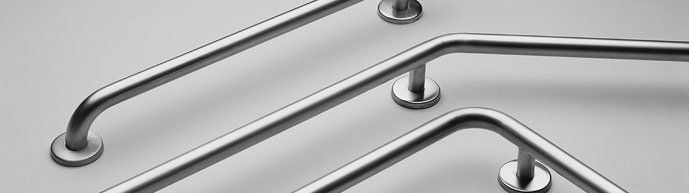
B. Advantages of Stainless Steel Grab Rails
Superior Strength and Durability: Stainless steel possesses exceptional tensile strength, typically ranging from 515 to 620 MPa (75,000 to 90,000 psi) for Type 304. This inherent strength allows stainless steel grab rails to easily exceed ADA requirements, often supporting 500 pounds or more when properly installed. The material’s resistance to fatigue ensures that it can withstand repeated loading cycles without weakening, making it ideal for high-use applications.
Outstanding Corrosion Resistance: The chromium content in stainless steel creates a self-healing oxide layer that protects the underlying metal from rust and corrosion. This property is particularly valuable in wet environments like bathrooms and showers, where constant exposure to moisture would quickly degrade lesser materials. Even if the surface is scratched, the oxide layer reforms automatically when exposed to oxygen, maintaining the material’s protective properties.
Hygienic and Easy to Maintain: Stainless steel’s non-porous surface resists bacterial growth and is easy to clean with standard household cleaners. Its smooth surface doesn’t harbor dirt, soap scum, or other contaminants, making it an excellent choice for healthcare facilities and residential bathrooms where hygiene is critical. The material can withstand aggressive cleaning agents without degrading, ensuring long-term cleanliness and appearance.
Versatile Finish Options: Stainless steel grab rails are available in several finishes, each offering distinct advantages:
- Polished (Mirror) Finish:Provides a bright, reflective surface that complements modern fixtures and creates a clean, professional appearance. However, it may show fingerprints and water spots more readily.
- Brushed (Satin) Finish:Features a matte, directional grain that effectively hides fingerprints and water spots while maintaining an attractive appearance. This finish is often preferred for its practical benefits and contemporary look.
- Peened Finish:Incorporates a textured, dimpled surface that provides enhanced grip, especially when hands are wet or soapy. This finish is particularly valuable in shower applications where slip resistance is crucial.
Temperature Stability: Stainless steel maintains its properties across a wide temperature range, from sub-zero conditions to elevated temperatures, making it suitable for both indoor and outdoor applications.
C. Considerations for Stainless Steel Grab Rails
Initial Cost: Stainless steel grab rails typically command a higher initial price compared to aluminum or plastic alternatives. However, this cost is often offset by their superior longevity and minimal maintenance requirements, making them cost-effective over their lifespan.
Installation Requirements: While the material itself is exceptionally strong, proper installation into structural blocking or wall studs is essential to realize its full potential. The mounting hardware and installation method are as critical as the material itself in ensuring safety and performance.
Thermal Conductivity: Stainless steel can feel cold to the touch in cooler environments, which some users may find uncomfortable. However, this characteristic is generally not problematic in most indoor applications.
Stainless steel’s combination of strength, corrosion resistance, hygiene, and aesthetic versatility makes it the benchmark against which other grab rail materials are measured. For applications where safety, durability, and long-term performance are priorities, stainless steel represents the optimal choice.
III. Brass: Aesthetic Appeal and Good Performance
Brass has long been a favored material in plumbing and architectural hardware due to its attractive appearance, workability, and inherent resistance to corrosion. As a material for grab rails, it offers a blend of aesthetic appeal and reliable performance, making it a popular choice for those seeking a more decorative or traditional look.
A. Composition and Properties
Brass is an alloy primarily composed of copper and zinc. The specific proportions of copper and zinc, along with the addition of other elements like lead (in older formulations, now largely phased out for potable water applications) or tin, determine the brass alloy’s properties. For grab rails, lead-free brass is typically used to ensure safety, especially in residential and healthcare settings.
Brass is known for its excellent machinability, good strength, and natural resistance to rust. Its surface can be highly polished to a mirror finish or given a brushed or antique appearance, offering significant design flexibility.
B. Advantages of Brass Grab Rails
Good Corrosion Resistance: Brass exhibits good natural resistance to corrosion, particularly in freshwater environments. The copper content in brass forms a protective patina over time, which helps to prevent further degradation. When brass grab rails are finished with chrome plating, their corrosion resistance is significantly enhanced, making them suitable for wet environments like showers.
Solid Strength and Durability: While not as inherently strong as stainless steel, brass is a robust metal capable of supporting substantial weight. Properly manufactured brass grab rails, especially those with thicker gauges, can easily meet and exceed ADA weight requirements when securely installed. Its durability ensures a long service life under normal conditions.
Exceptional Aesthetic Versatility: One of the primary advantages of brass is its wide range of finish options, allowing it to seamlessly integrate into various bathroom and interior designs:
- Polished Brass:A classic, shiny, gold-like finish that exudes elegance and warmth, often used in traditional or luxurious settings.
- Chrome-Plated Brass:A very popular choice that combines the strength and corrosion resistance of brass with the bright, reflective, and modern look of chrome. This finish is highly durable and easy to clean.
- Brushed Nickel/Satin Brass:Offers a more subdued, matte appearance that is excellent at hiding fingerprints and water spots, providing a contemporary and sophisticated feel.
- Oil-Rubbed Bronze/Antique Brass:Provides a rich, dark, and often textured finish that evokes a vintage or rustic aesthetic.
Warm to the Touch: Compared to stainless steel, brass tends to feel slightly warmer to the touch, which can be a comfort factor for some users, especially in cooler climates or during colder months.
C. Considerations for Brass Grab Rails
Cost: Brass grab rails, particularly those with specialized or high-end finishes, are generally more expensive than stainless steel or aluminum options. The cost reflects the material’s value and the complexity of its finishing processes.
Finish Durability: While the brass substrate is durable, the longevity of the applied finish (e.g., chrome plating, lacquers) can vary. Lower-quality finishes may be prone to tarnishing, flaking, or scratching over time, especially with abrasive cleaners or in harsh conditions. It is crucial to choose products from reputable manufacturers with high-quality finishing processes.
Weight: Brass is denser than stainless steel or aluminum, making brass grab rails heavier. While this doesn’t impact performance, it can make installation slightly more challenging.
Brass grab rails offer a compelling alternative for those who prioritize aesthetic integration and a luxurious feel without compromising on safety and durability. When selecting brass, investing in high-quality products with robust finishes is key to ensuring long-term satisfaction and performance.
IV. Aluminum: Lightweight, Corrosion-Resistant, and Cost-Effective
Aluminum is a versatile and widely used metal known for its light weight, excellent corrosion resistance, and affordability. As a material for grab rails, it presents a practical option, particularly for applications where weight is a concern or budget constraints are a factor.
A. Composition and Properties
Aluminum is a lightweight, silvery-white metal that is soft, non-magnetic, and ductile. It is highly reactive but forms a thin, protective oxide layer when exposed to air, which provides its inherent corrosion resistance. Various aluminum alloys are used, with specific properties tailored for different applications.
B. Advantages of Aluminum Grab Rails
Excellent Corrosion Resistance: Aluminum naturally forms a passive oxide layer that protects it from rust and corrosion, even in moist environments. This makes it a suitable material for bathrooms and other areas exposed to water. Unlike steel, it will not rust or discolor.
Lightweight: Aluminum is significantly lighter than stainless steel or brass, which can make installation easier, especially for longer grab bars or in situations where weight is a critical factor. This also reduces shipping costs.
Cost-Effective: Aluminum is generally less expensive to produce and process than stainless steel or brass, making aluminum grab rails a more budget-friendly option for consumers and projects with cost limitations.
Versatile Finish Options: Aluminum can be easily finished in various ways to enhance its appearance and durability:
- Anodizing:An electrochemical process that thickens the natural oxide layer, creating a harder, more durable, and corrosion-resistant surface. Anodized aluminum can also be colored.
- Powder Coating:A dry finishing process where powdered paint is electrostatically applied and then cured under heat, creating a hard finish that is more durable than conventional paint. Powder coating offers a wide range of colors and textures.
C. Considerations for Aluminum Grab Rails
Strength: While strong enough for many applications, aluminum generally has a lower tensile strength and rigidity compared to stainless steel or brass. For very heavy-duty applications or bariatric use, it is crucial to ensure that the specific aluminum grab bar product is engineered and certified to meet or exceed the required weight capacities (e.g., ADA 250 lbs). Thicker gauge aluminum tubing or specific alloys may be used to enhance strength.
Durability of Finish: While anodizing is very durable, powder coatings can be susceptible to chipping, scratching, or abrasion over time, especially in high-traffic areas or with harsh cleaning. Once the coating is compromised, the aesthetic appeal can diminish.
Aesthetics: Depending on the finish, some aluminum grab bars may be perceived as less premium or more utilitarian compared to the polished look of stainless steel or the classic appeal of brass. However, modern designs and high-quality finishes can overcome this perception.
Aluminum grab rails offer a compelling balance of corrosion resistance, light weight, and affordability. They are a strong contender for many residential and light commercial applications, provided that their specific strength ratings are verified for the intended use and that proper installation techniques are followed to ensure safety.
V. Plastic and Nylon: Warmth, Grip, and Specific Applications
Plastic and nylon grab rails offer unique advantages, particularly their warm-to-the-touch feel and non-metallic properties. While pure plastic would not be strong enough for a weight-bearing safety device, these grab rails are typically constructed with a robust internal metal core (often steel or aluminum) that is then coated with plastic or nylon.
A. Composition and Properties
These grab rails consist of a strong metal core (e.g., stainless steel, aluminum) overmolded or coated with a durable plastic (such as PVC, ABS) or nylon material. The outer coating provides the desired tactile and aesthetic properties, while the internal metal structure ensures the necessary strength and load-bearing capacity.
B. Advantages of Plastic and Nylon Grab Rails
Warm to the Touch: One of the most significant benefits is their thermal comfort. Unlike metal grab rails, plastic and nylon do not feel cold, which can be a more pleasant experience for users, especially in cooler climates or for individuals with sensitive skin.
Enhanced Grip: Many plastic and nylon coatings are designed with a slightly textured or non-slip surface, providing an excellent grip even when wet or soapy. This can be particularly beneficial in shower environments where hands may be slippery.
Non-Corrosive Exterior: The outer plastic or nylon layer is inherently resistant to rust, corrosion, and many chemicals, making them highly durable in wet and humid conditions. This also means they won’t show water spots or fingerprints as readily as some metal finishes.
Color Options and Aesthetics: Plastic and nylon coatings allow for a wide array of color choices, enabling grab rails to either blend seamlessly with the decor or stand out as a high-contrast safety feature (e.g., for visually impaired users). Some designs can offer a softer, less institutional appearance.
Insulating Properties: The plastic or nylon coating provides electrical insulation, which can be a consideration in certain specialized applications, though less critical for standard bathroom installations.
C. Considerations for Plastic and Nylon Grab Rails
Reliance on Internal Core: The strength and weight capacity of these grab rails are entirely dependent on the quality and integrity of their internal metal core and how it is bonded to the outer coating. It is crucial to verify that the product is certified to meet relevant safety standards (e.g., ADA 250 lbs).
Bulkier Appearance: To achieve the necessary strength, the overall diameter of plastic or nylon coated grab rails might be slightly larger than solid metal bars, which some users might perceive as bulkier.
Durability of Coating: While generally durable, the outer plastic or nylon coating can be susceptible to scratches, cuts, or discoloration over prolonged use or exposure to harsh cleaning agents. Once the coating is compromised, the aesthetic appeal may diminish.
Perceived Quality: Some users may perceive plastic or nylon grab rails as less premium or robust than all-metal options, despite their internal strength.
Plastic and nylon grab rails are an excellent choice for applications where thermal comfort, enhanced grip, and specific color options are desired. They provide a safe and effective solution, provided they are sourced from reputable manufacturers who ensure the integrity of the internal metal core and adherence to safety standards.
VI. Conclusion: The Optimal Choice for Your Grab Rail
When determining the “best” material for grab rails, stainless steel consistently stands out as the most versatile, durable, and reliable option for the vast majority of applications. Its inherent strength, exceptional corrosion resistance, and ease of maintenance make it the gold standard for ensuring long-term safety and performance, particularly in wet and high-use environments like bathrooms and showers.
While other materials offer compelling advantages for specific needs:
- Brassprovides a luxurious aesthetic and good performance, ideal for design-conscious installations.
- Aluminumoffers a lightweight and cost-effective solution, suitable for many residential applications where weight is a concern.
- Plastic and Nyloncoatings provide a warm-to-the-touch feel and enhanced grip, often with vibrant color options, relying on a strong internal metal core for structural integrity.
Ultimately, the optimal material choice for a grab rail is a balance between several factors: the specific environment of installation, the required load-bearing capacity, aesthetic preferences, budget constraints, and the desired tactile experience. However, regardless of the material chosen, the most critical factor influencing a grab rail’s safety and effectiveness remains its proper installation into structural blocking or wall studs. A grab rail, no matter how robust its material, is only as strong as its weakest link—its mounting.
By prioritizing ADA-compliant materials and ensuring professional, secure installation, you can confidently select a grab rail that not only meets your functional and aesthetic needs but, most importantly, provides reliable, life-enhancing support for years to come.
